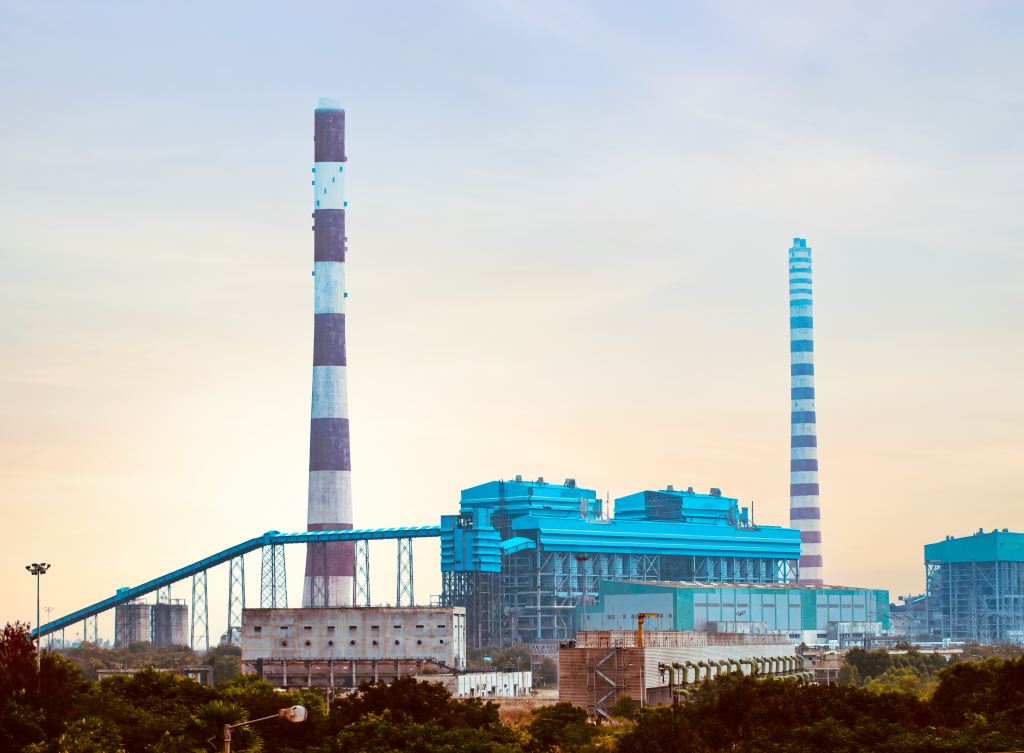
Strategic turnaround strengthens India’s energy security with state-of-the-art thermal power operations
Bengaluru, NFAPost: Vedanta Limited has pulled off a remarkable feat in India’s power sector by reviving Meenakshi Energy Limited (MEL) within two years of its acquisition. The company announced that MEL’s 1,000 MW thermal power plant in Tirupati, Andhra Pradesh, is now fully operational, reinforcing Vedanta’s position as one of the country’s largest private power producers.
The plant comprises two units of 350 MW and two units of 150 MW. While the smaller units were stabilized and brought online earlier this year, the final push came this month with the commissioning of the 350 MW units. With the turnaround complete, Meenakshi Energy is set to supply dependable baseload power to nearby industrial clusters and national grids.
“This comeback reinforces our commitment to meeting India’s growing energy needs and marks a defining chapter in our journey to become the country’s most efficient and sustainability-driven power producer,” said Rajinder Singh Ahuja, CEO – Power, Vedanta Ltd.
Driving Efficiency Through Technology
Vedanta credited the swift revival to a structured commissioning plan backed by advanced technology. MEL has been equipped with high-efficiency turbines, optimized processes, and modern control systems, making it one of India’s most efficient newly commissioned thermal plants.
Industry analysts note that the timing is significant. With thermal projects still providing more than 70% of India’s electricity, stable and efficient coal-based power remains the backbone of the energy mix. Vedanta’s move helps bolster grid stability at a time when India is balancing its renewable energy transition with industrial growth.
Water and Sustainability: A Distinctive Model
A standout feature of MEL is its exclusive use of saline water for all industrial processes, ensuring zero reliance on freshwater. This step preserves local water resources for agriculture and communities — a move aligned with India’s water security priorities. The company has also eliminated legacy ash waste and developed a system to recover water from its ash dyke, enhancing its environmental sustainability credentials.
“MEL’s operational model is proof that thermal power plants can integrate sustainability into their DNA while ensuring reliable power delivery,” said a senior Vedanta executive familiar with the project.
Workforce, Safety, and Community
The Tirupati plant employs over 1,150 people and runs on a digital safety and risk-management platform to ensure compliance and embed a proactive safety culture. Vedanta emphasized that the workforce has been a key contributor in accelerating MEL’s revival.
Local stakeholders also highlight the role MEL is expected to play in regional economic growth. By ensuring power supply to nearby industrial clusters, the plant is likely to catalyze new investments and job creation in Andhra Pradesh’s Tirupati district.
Vedanta’s Expanding Power Portfolio
With MEL’s revival, Vedanta Power’s installed capacity stands at 4,780 MW. Its portfolio includes:
- Talwandi Sabo Power Limited (1,980 MW, Punjab) supplying nearly 30% of Punjab’s power.
- Vedanta Chhattisgarh Thermal Power Plant (1,200 MW, Singhitarai, Chhattisgarh).
- Meenakshi Energy Limited (1,000 MW, Tirupati, Andhra Pradesh).
- Jharsuguda Thermal Power Plant (600 MW, Odisha).
Vedanta Group overall operates more than 10,000 MW of thermal power capacity, making it one of the largest private-sector players in India’s power industry.
As India navigates the twin imperatives of industrial growth and sustainability, Vedanta’s turnaround of Meenakshi Energy reflects how strategic investments in efficiency, technology, and resource management can keep thermal power relevant in a changing energy landscape.