India unveils a full-stack semiconductor strategy with global trust, $18 billion investments, and an ambitious vision to lead the trillion-dollar chip race
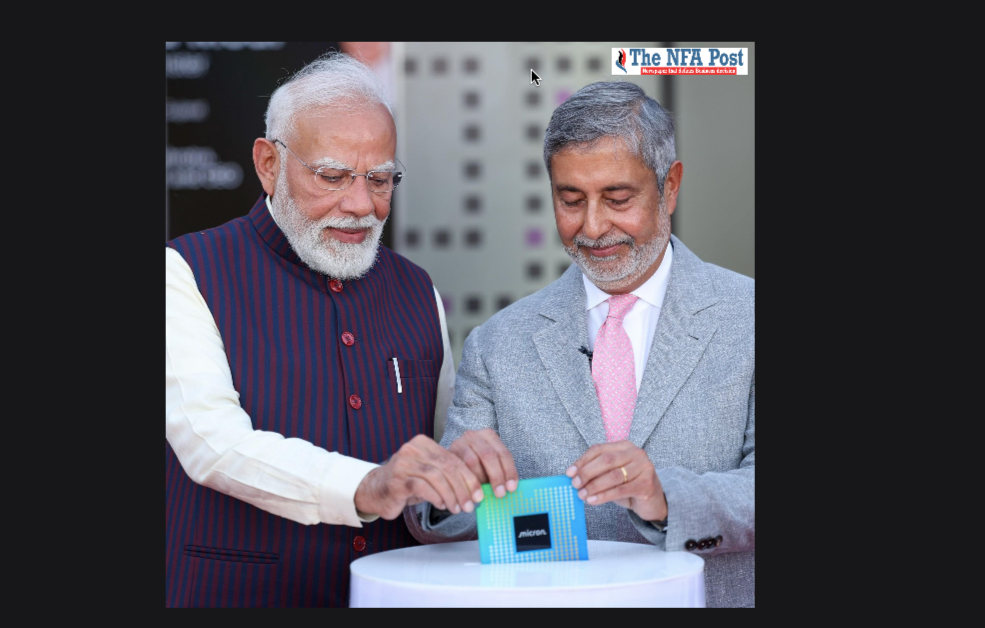
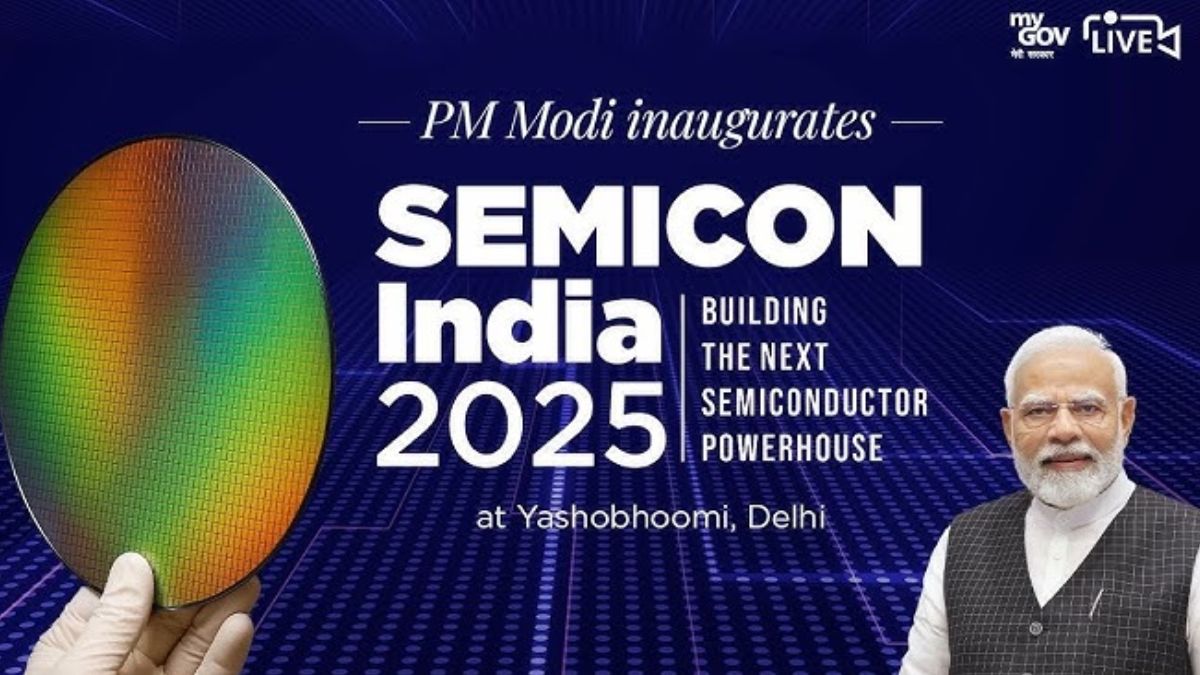
Bengaluru, NFAPost: Prime Minister Narendra Modi inaugurated Semicon India 2025 at Yashobhoomi, New Delhi, positioning India firmly on the global semiconductor map and underscoring the nation’s ambition to build a full-stack ecosystem that spans design, fabrication, packaging, and integration.
The high-profile event drew global technology leaders, investors, policymakers, academia, and a wave of enthusiastic students and start-ups. With representatives from more than 40 countries in attendance, the inauguration symbolized India’s growing stature as a credible and trusted partner in shaping the semiconductor future.
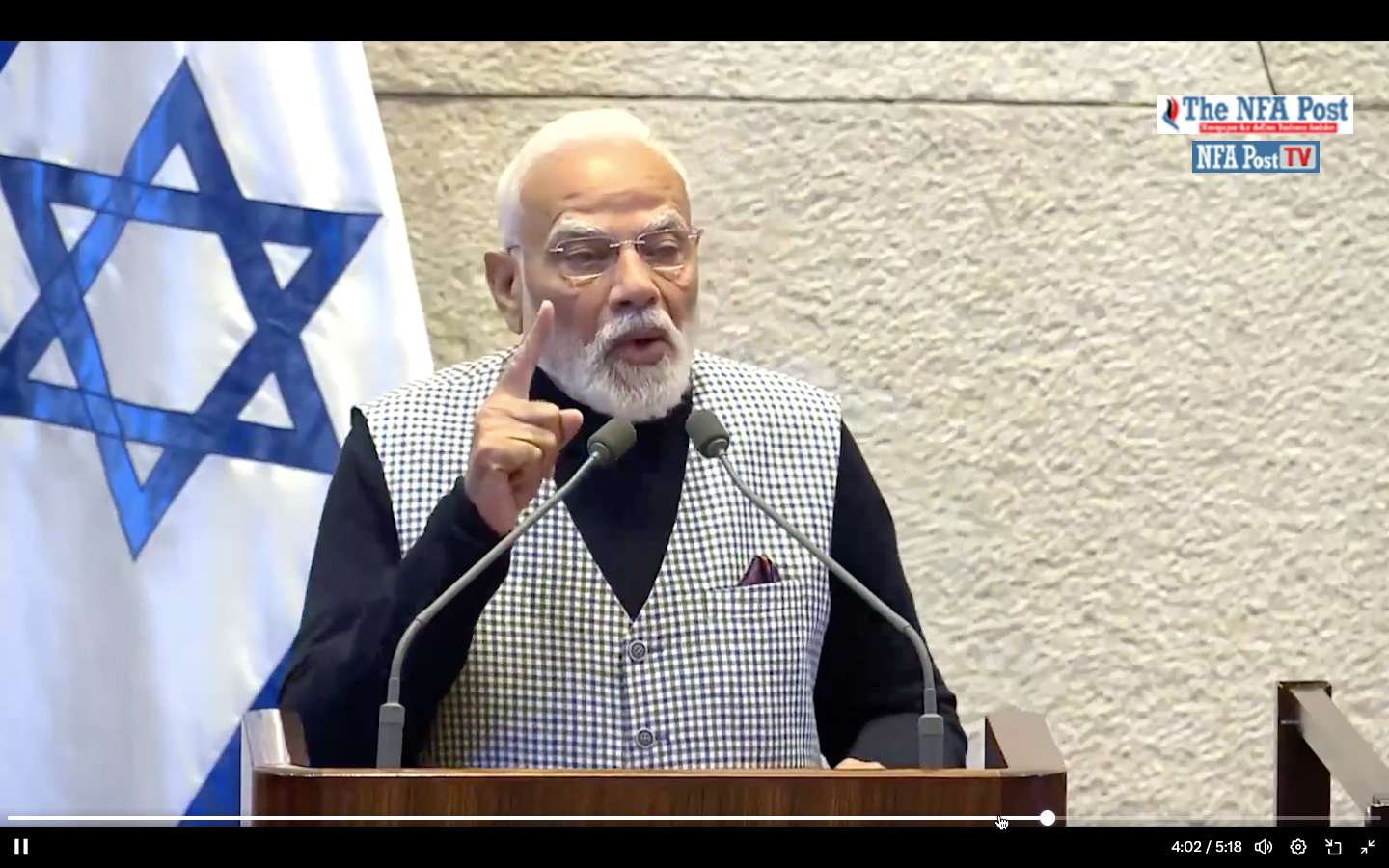
“The world trusts India, the world believes in India, and the world is ready to build the semiconductor future with India,” Modi declared, setting the tone for a gathering that was as much about global partnerships as it was about domestic aspirations.
Chips: The New “Digital Diamonds”
In his keynote address, PM Modi drew a striking parallel between the energy resources of the past and the digital engines of the future.
“Oil was black gold. Chips are digital diamonds,” he said. “If oil powered the previous century, semiconductors will define the one ahead.”
This framing underscored both the strategic and economic value of chips in the 21st century. With the global semiconductor market valued at $600 billion today and projected to exceed $1 trillion by 2030, India aims to carve out a significant share of the pie through policy reforms, infrastructure creation, and human capital development.
Speed from “File to Factory”
A central theme of the Prime Minister’s address was the importance of speed in a highly competitive and capital-intensive sector.
“The lesser the paperwork, the sooner wafer work can begin,” he quipped, emphasizing the government’s resolve to simplify approvals and reduce bureaucratic hurdles.
The National Single Window System, he noted, has already streamlined project clearances, enabling investors to transition swiftly from proposals to production. This “file to factory” approach, Modi argued, is critical to maintaining investor confidence and meeting ambitious production timelines.
Building at Scale: India’s Semiconductor Timeline
In just four years, India’s semiconductor story has gone from vision to execution at remarkable speed. The Prime Minister highlighted key milestones:
- 2021: India Semiconductor Mission launched
- 2023: First semiconductor fab approved
- 2024: Multiple fabs and design centers sanctioned
- 2025: Over 10 major projects underway with investments exceeding ₹1.5 lakh crore ($18 billion)
“This scale of investment signals both global trust and domestic preparedness,” Modi noted.
Industry insiders point out that India’s ability to secure such large-scale commitments within a short span reflects growing investor confidence in the country’s policy stability and demand-driven market potential.
A Full-Stack Semiconductor Ecosystem
Unlike several nations that focus narrowly on fabrication, India is adopting a full-stack approach that spans the entire semiconductor value chain.
From design hubs in Noida and Bengaluru working on advanced chips with billions of transistors to pilot projects in advanced packaging and device integration, the vision is holistic.
“Design is ready. Mask is aligned. Now is the time for precision execution and delivery at scale,” Modi asserted, using the language of chip production as a metaphor for national execution.
The Backbone: Critical Minerals and Skilled Talent
No semiconductor strategy can succeed without secure access to raw materials and skilled talent. The Prime Minister emphasized both.
Through the National Critical Mineral Mission, India is expanding domestic mining and processing capacities for rare earths and other essential inputs. At the same time, India’s strong human capital advantage shines through: the country already contributes 20% of global semiconductor design talent.
“India’s engineers are not just employees in global companies—they are now innovators, entrepreneurs, and leaders,” Modi remarked.
Empowering Startups and MSMEs
The spotlight was not only on large fabs but also on the country’s growing startup ecosystem. Modi invited young entrepreneurs to seize opportunities in design, IP creation, and innovation.
The government announced a revamp of the Design Linked Incentive Scheme, coupled with the Chips-to-Startup Programme and National Research Fund. These initiatives aim to catalyze indigenous design and create intellectual property that can be commercialized globally.
“The next phase of India’s semiconductor journey will be led by its youth,” Modi said, pointing to the thousands of students and innovators in attendance.
Future-Ready Infrastructure and State Participation
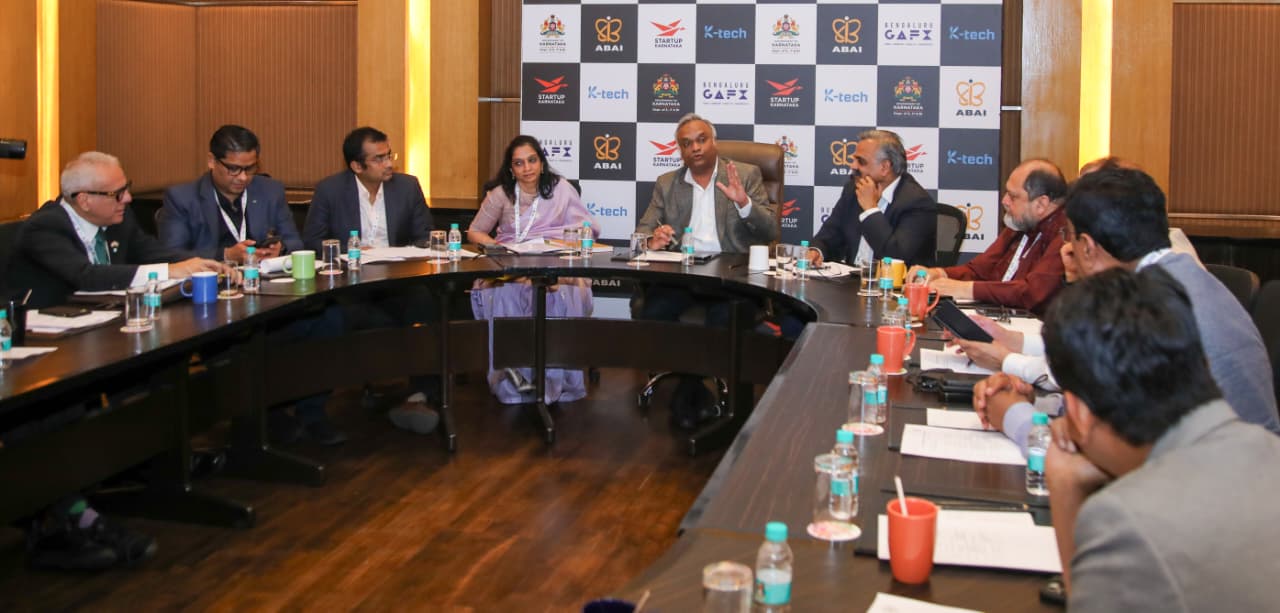
India’s federal structure is playing a crucial role in expanding semiconductor infrastructure. States like Gujarat, Tamil Nadu, and Karnataka are actively setting up plug-and-play semiconductor parks with ready access to power, land, port connectivity, and skilled manpower.
Modi called for “constructive competition” among states to attract investment and strengthen the nationwide semiconductor grid. “When states compete, India wins,” he said.
Reform, Perform, Transform
The Prime Minister concluded his address with a reaffirmation of India’s “Reform, Perform, Transform” model of governance.
“We are not just chasing the future; we are shaping it. With chips as our foundation, India will be the driver of global innovation and self-reliant growth,” he said.
For investors, his message was clear: “Design is ready. Mask is aligned. Now is the time for precision execution and delivery at scale.”
Industry Response
The announcements drew enthusiastic reactions from industry leaders present at the event. Executives from global giants like TSMC, Intel, Micron, and Samsung, as well as homegrown firms like Vedanta-Foxconn, Tata Electronics, and HCL, echoed optimism about India’s semiconductor future.
A senior executive from a leading chipmaker remarked, “India has done more in four years than many nations managed in decades. The ecosystem here is young but vibrant, and the policy clarity is reassuring.”
Academia and research institutions also welcomed the announcements, noting the emphasis on talent development and research funding as vital for long-term sustainability.
The Road Ahead
As Semicon India 2025 concluded its inaugural session, the message was unmistakable: India is serious about semiconductors. With investments exceeding $18 billion, global trust at its peak, and a young, skilled workforce driving the charge, the country is positioning itself as not just a participant but a leader in the trillion-dollar chip race.
The journey, however, will not be without challenges. Securing critical minerals, ensuring global competitiveness in manufacturing, and navigating shifting geopolitics will all test India’s resolve.
Yet, as Modi’s closing words suggested, the chips are down and the stakes are high. “This is India’s moment. This is India’s century. And semiconductors will be our digital diamonds.”