


Iconic Brand Targets Rapid Urban Expansion as ₹400-Crore Powerhouse Reinforces Quality-First Strategy
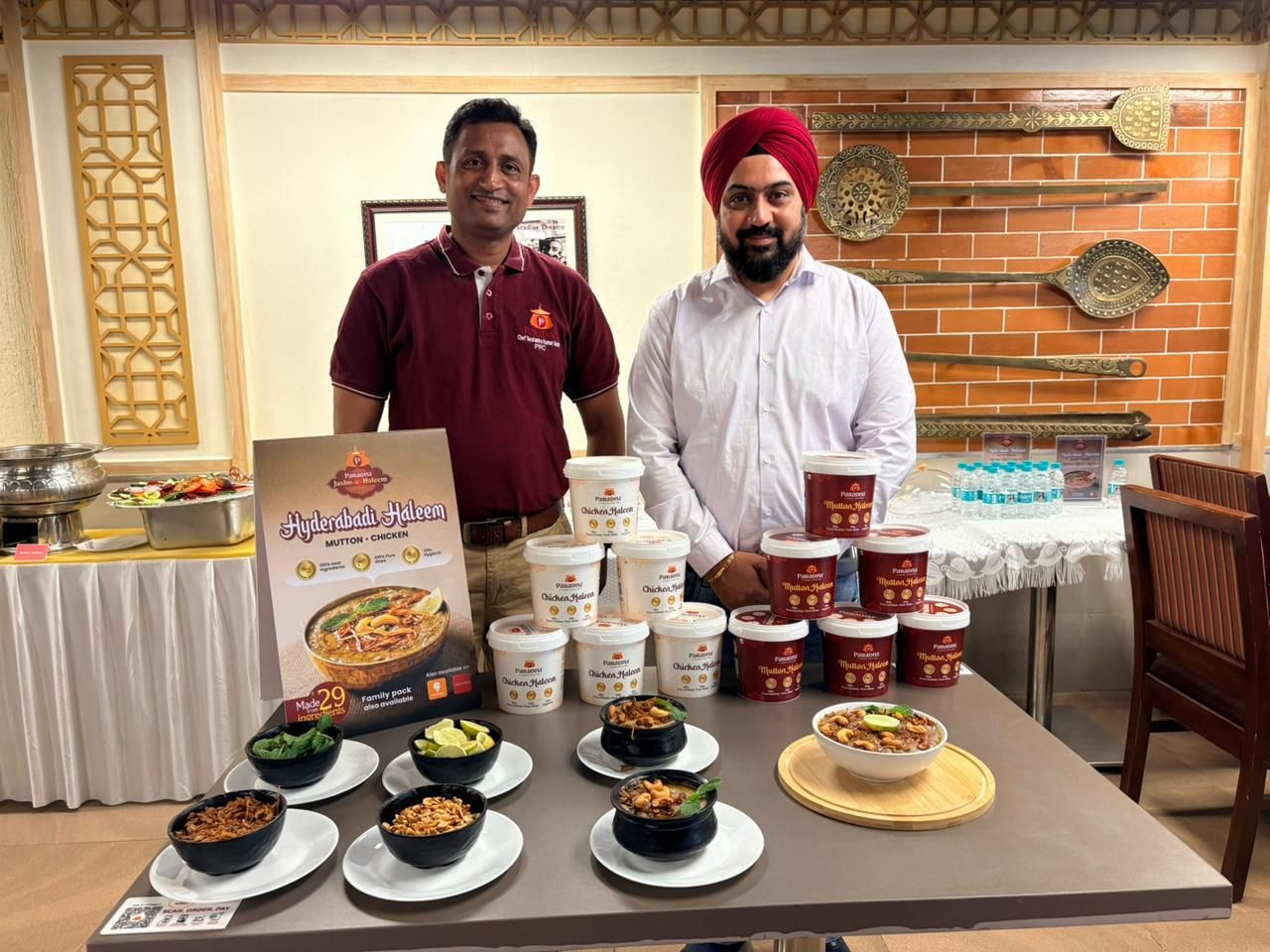
Bengaluru, NFAPost: A culinary ritual rooted in Hyderabad’s heritage is making its seasonal return to Bengaluru. Paradise Food Court, the 70-year-old institution synonymous with authentic Hyderabadi biryani, has announced the launch of its annual Jashn-e-Haleem festival across the city.
But this year’s announcement carries weight beyond nostalgia. It signals the confident stride of a brand that has grown into a ₹400-crore revenue powerhouse, underpinned by a deliberate strategy of controlled expansion and uncompromising quality.
At a press conference in Bengaluru, the leadership team offered insights not just into the festival menu, but into the business philosophy shaping one of India’s most recognisable culinary brands.
A Festival That Is “An Emotion”
The Jashn-e-Haleem festival, traditionally held ahead of Ramadan, features two variants — the classic Mutton Haleem and the increasingly popular Chicken Haleem. Priced from ₹299, the delicacy will be available across all 11 Paradise outlets in Bengaluru.
Robinder Singh, Chief Operating Officer at Paradise, framed the festival as a cultural celebration rather than a seasonal promotion.
“For us, at Paradise, Haleem is not just a seasonal product. It’s a legacy of trust built over decades. This is an occasion where friends, families and colleagues come together. They enjoy Haleem not just as a product, but more as an emotion.”
The emphasis on legacy is deliberate. Haleem, slow-cooked for hours with meat, lentils and spices, has long been associated with communal dining and festive gatherings — an emotional connection the brand is keen to preserve even as it scales.
Quality as Non-Negotiable
If growth defines Paradise’s trajectory, quality defines its foundation.
Swatantra Gautam, Vice President – Culinary, underscored the brand’s insistence on authenticity and consistency across outlets, many of which are staffed by master chefs with over 25 years of experience.
“The first part is authenticity. That’s the reason we are able to provide consistency across all outlets. Plus the quality assurance behind that product. If I want my kid to eat it, I should feel 100% sure that whatever I have served is safe and the best quality that can be offered.”
Paradise’s kitchens adhere to strict ingredient standards — from using the same brand of pure desi ghee for four decades to sourcing fresh, never-frozen, Halal-certified meat.
In a departure from industry norms, Paradise rejects the central kitchen model. Each outlet prepares its own biryani and festival dishes, ensuring freshness and maintaining flavour integrity. It is a labour-intensive approach, but one the company views as central to its identity.
Growth with Guardrails
The numbers tell a compelling story. Paradise recorded a 28% same-store sales growth in Q3 — significantly outpacing the broader restaurant industry’s modest 2-3% growth. The brand now operates at an annual revenue run rate of ₹400 crore, positioning itself among the top two players in India’s fiercely competitive biryani segment.
Bengaluru remains a strategic growth hub. The company plans to expand from 11 outlets to between 20 and 25 restaurants in the city over the next one to two years.
Yet expansion comes with discipline.
Paradise owns all its outlets and has firmly rejected franchising — a rare stance in India’s fast-casual dining ecosystem.
“Once you do franchises, you don’t have control over quality,” Gautam explained. “A franchisee is essentially an investor, concerned about profit. We don’t want to compromise standards.”
This centralised ownership model ensures tight operational oversight, safeguarding brand consistency even during rapid expansion.
Broadening the Plate
Traditionally known for its non-vegetarian offerings, Paradise is actively cultivating its vegetarian customer base. In just two years, vegetarian dishes have grown from contributing 2% of sales to 15%.
The company has introduced segregated kitchen sections and expanded its vegetarian portfolio. Among upcoming innovations is a jackfruit-based vegetarian Haleem — successfully piloted in Hyderabad and poised for future introduction in other cities.
The move reflects an evolving urban palate and Paradise’s ambition to remain culturally relevant while preserving its core identity.
The Urban Play
As Paradise sharpens its footprint across Tier-1 cities, its Bengaluru strategy appears emblematic of its national vision: steady expansion anchored by quality, emotional resonance, and operational control.
In an era where food brands often prioritise speed over substance, Paradise is betting that legacy — when paired with disciplined growth — remains a powerful differentiator.
For Bengaluru’s diners, that strategy translates into something far simpler: a bowl of slow-cooked, richly textured Haleem that tastes as authentic as ever.
And for Paradise, each spoonful represents not just a festival — but a reaffirmation of trust.















Leave a Reply