ISRO Successfully Launches AST SpaceMobile’s BlueBird Block-2, Marking a Major Milestone in Space-Based Mobile Broadband
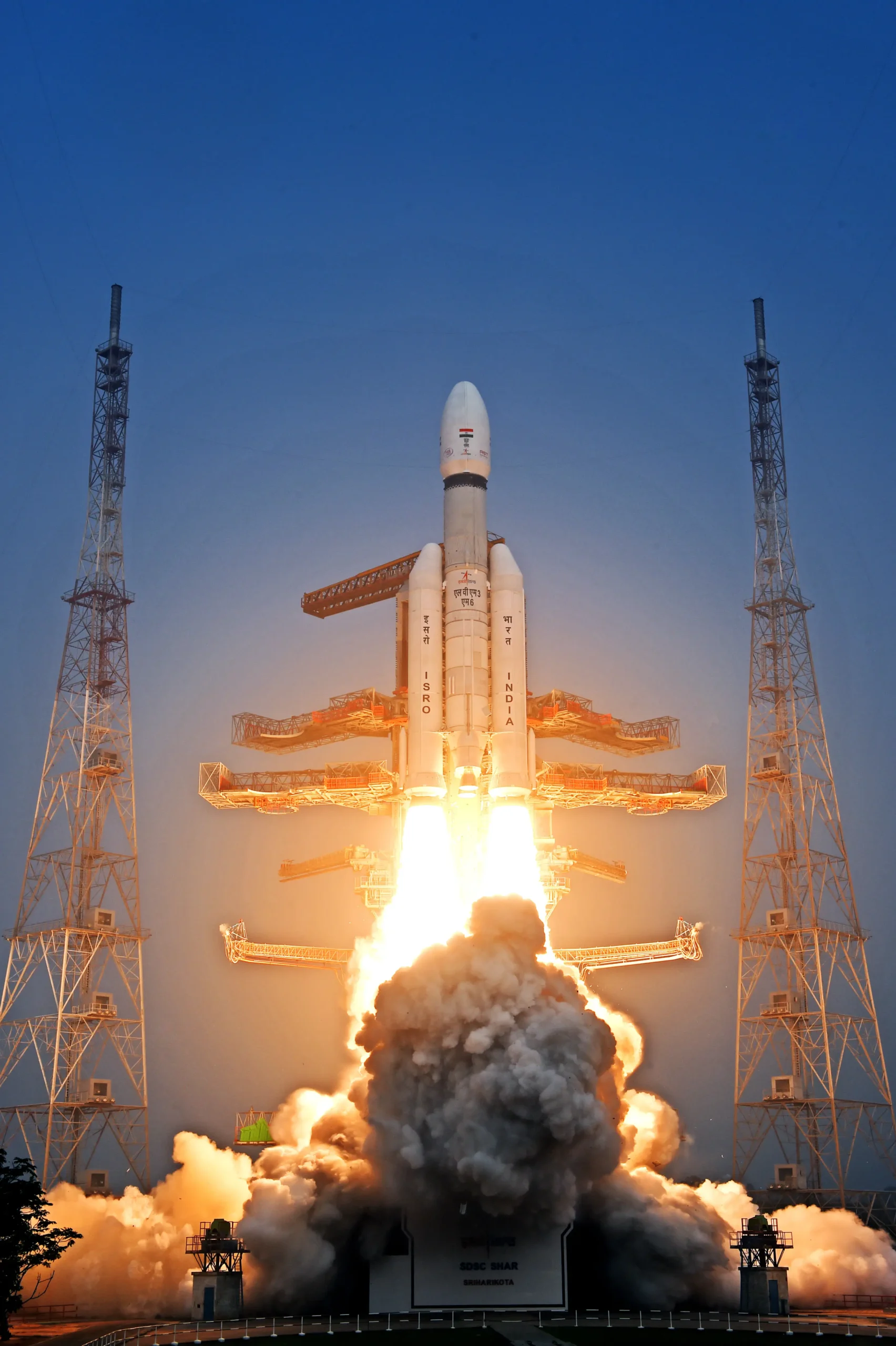
Bengaluru, NFAPost: In a mission that underscores India’s accelerating rise as a trusted global launch partner, the Indian Space Research Organisation (ISRO) on Wednesday successfully launched the BlueBird Block-2 communications satellite aboard its heavy-lift launch vehicle LVM3-M6. The launch took place at 8:55 am IST from the Satish Dhawan Space Centre, Sriharikota, Andhra Pradesh.
The mission, formally designated LVM3-M6, represents the sixth operational flight of ISRO’s LVM3 rocket and a significant commercial milestone. Carrying a next-generation US communications satellite built by AST SpaceMobile, the launch highlights India’s growing credibility in executing high-value, technologically demanding commercial space missions.
A Dedicated Commercial Mission with Global Implications
Unlike rideshare launches that deploy multiple spacecraft, LVM3-M6 was a dedicated commercial mission, purpose-built to place the BlueBird Block-2 satellite into Low Earth Orbit (LEO). The successful deployment reinforces ISRO’s ability to support large, heavy, and mission-critical payloads for international customers.
For AST SpaceMobile, the launch is a key step in building a space-based cellular broadband constellation that aims to deliver direct-to-phone connectivity—allowing ordinary smartphones to connect directly to satellites without the need for specialised terminals, dishes, or hardware.
“This mission is not just about launching a satellite; it’s about redefining how mobile connectivity can be delivered to underserved and remote regions of the world,” a senior industry executive familiar with the programme noted.
BlueBird Block-2: Redefining Mobile Connectivity from Space
The BlueBird Block-2 satellite belongs to a new class of ultra-large commercial communications spacecraft designed specifically for space-based cellular broadband services.
Key Highlights of BlueBird Block-2
- Owner: AST SpaceMobile (United States)
- Orbit: Low Earth Orbit (LEO), approximately 160 km to 1,600 km above Earth
- Purpose: Enable direct-to-smartphone voice, data, and broadband services
- Distinction: One of the largest commercial communications satellites ever deployed in LEO
By operating closer to Earth than traditional geostationary satellites, BlueBird Block-2 significantly reduces latency, making real-time voice calls, messaging, and data services feasible directly from space. The satellite is expected to play a critical role in bridging connectivity gaps in rural, maritime, disaster-prone, and infrastructure-poor regions across the globe.
LVM3: ISRO’s Heavy Mover Comes of Age
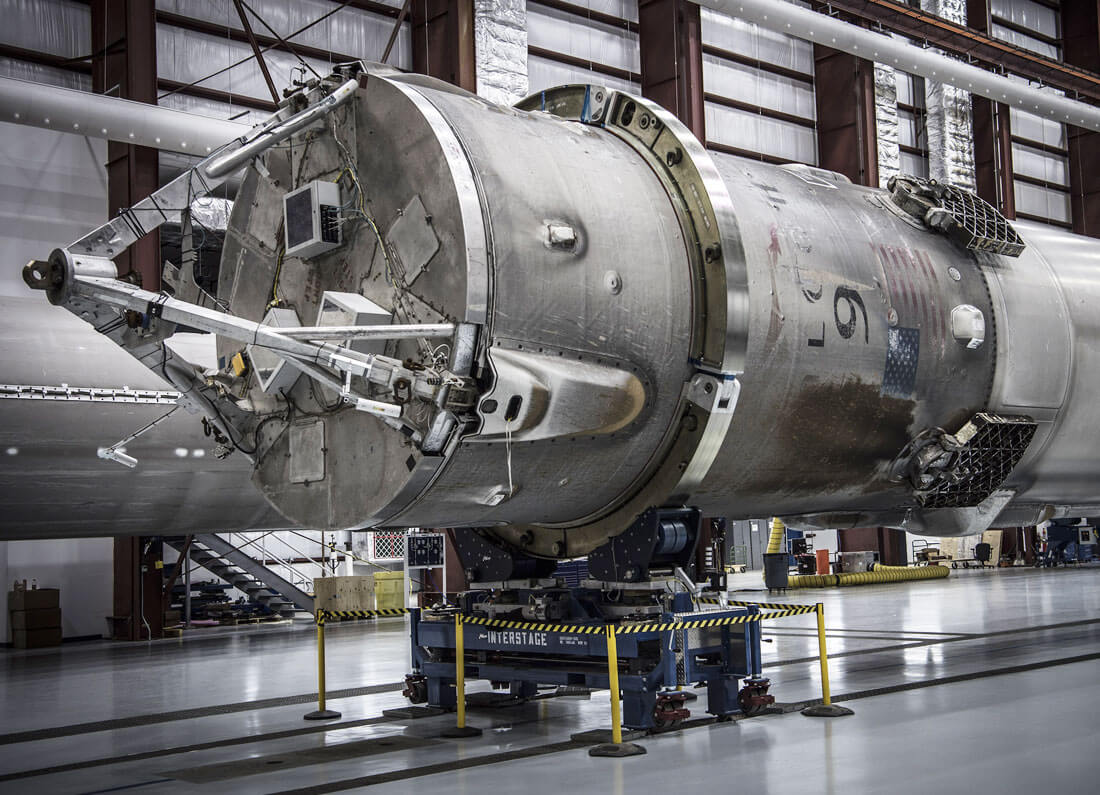
The launch once again showcased the reliability and versatility of ISRO’s LVM3, often described as the agency’s “heavy mover.” Standing 43.5 metres tall and weighing approximately 640 tonnes at liftoff, the LVM3 is currently India’s most powerful operational launch vehicle.
Three-Stage Architecture
- S200 Solid Boosters: Two massive solid rocket boosters that provide the initial thrust at liftoff
- L110 Liquid Core Stage: A hypergolic liquid-fuelled stage that sustains ascent after booster separation
- C25 Cryogenic Upper Stage: Powered by liquid hydrogen and liquid oxygen, enabling precise orbital insertion
The LVM3 is capable of placing payloads of up to 4,200 kg into Geosynchronous Transfer Orbit (GTO), and even heavier spacecraft into LEO—capabilities that were critical for the BlueBird Block-2 mission.
From Lunar Exploration to Commercial Launches
Over the past decade, LVM3 has evolved from a developmental launcher to a workhorse for both national and commercial missions. It has previously flown marquee scientific and strategic missions such as Chandrayaan-2 and Chandrayaan-3, cementing India’s place in deep-space exploration.
On the commercial front, LVM3 has successfully launched two OneWeb missions, deploying a total of 72 satellites into LEO, and most recently carried out the LVM3-M5/CMS-03 mission on November 2, 2025. The BlueBird Block-2 launch further broadens its commercial track record, particularly for high-mass single-satellite missions.
Why This Mission Matters for India—and the World
The successful execution of LVM3-M6 carries significance well beyond the launch pad:
- Commercial credibility: Reinforces India’s position as a reliable launch provider for global satellite operators
- Strategic capability: Demonstrates ISRO’s ability to handle large, complex spacecraft with precision
- Economic opportunity: Strengthens India’s share in the global commercial launch market
- Technological impact: Supports the emergence of space-based mobile broadband as a new connectivity paradigm
For AST SpaceMobile, the mission advances its vision of universal cellular coverage. For ISRO, it signals a maturing launch ecosystem capable of competing with established global heavy-lift providers.
What Comes Next
Following successful separation from the LVM3 upper stage, attention now shifts to on-orbit commissioning and performance validation of the BlueBird Block-2 satellite. Over the coming months, AST SpaceMobile will evaluate the spacecraft’s ability to deliver reliable direct-to-phone connectivity, a capability that could fundamentally alter how mobile networks are designed and deployed.
As India continues to balance ambitious scientific missions with a growing commercial launch portfolio, LVM3-M6 stands as a clear marker of transition—from a national launch vehicle to a globally competitive heavy-lift platform powering the next generation of space-enabled services.