In a first-of-its-kind technology transfer from ISRO, Hindustan Aeronautics Limited will independently build, own, and commercialize the Small Satellite Launch Vehicle, boosting India’s $44 billion space economy vision.
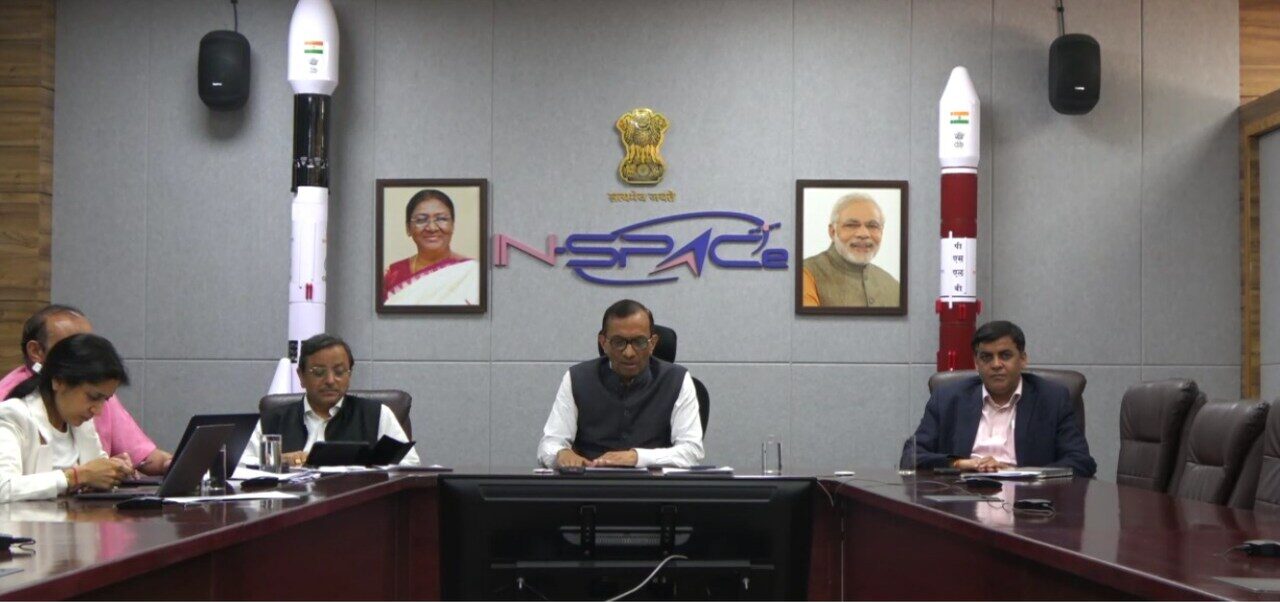
Bengaluru, NFAPost: India has taken a decisive step toward democratizing access to space launches. In a landmark announcement on June 20, 2025, the Indian National Space Promotion and Authorization Centre (IN-SPACe) named Hindustan Aeronautics Limited (HAL) as the winning bidder to receive complete technology transfer for the Small Satellite Launch Vehicle (SSLV)from the Indian Space Research Organisation (ISRO).
The move — one of the most comprehensive technology transfers ever from ISRO to an Indian commercial entity — is expected to accelerate the country’s commercial satellite launch capabilities, open the door for more global partnerships, and help realise India’s $44 billion space economy target by 2033.
“The SSLV technology transfer marks a pivotal moment in India’s commercial space journey,” said Dr. Pawan Goenka, Chairman, IN-SPACe. “This is one of the first instances of a space agency transferring complete launch vehicle technology to a company. HAL will now have the capability to independently build, own, and commercialize SSLV launches.”
A Competitive Race for SSLV
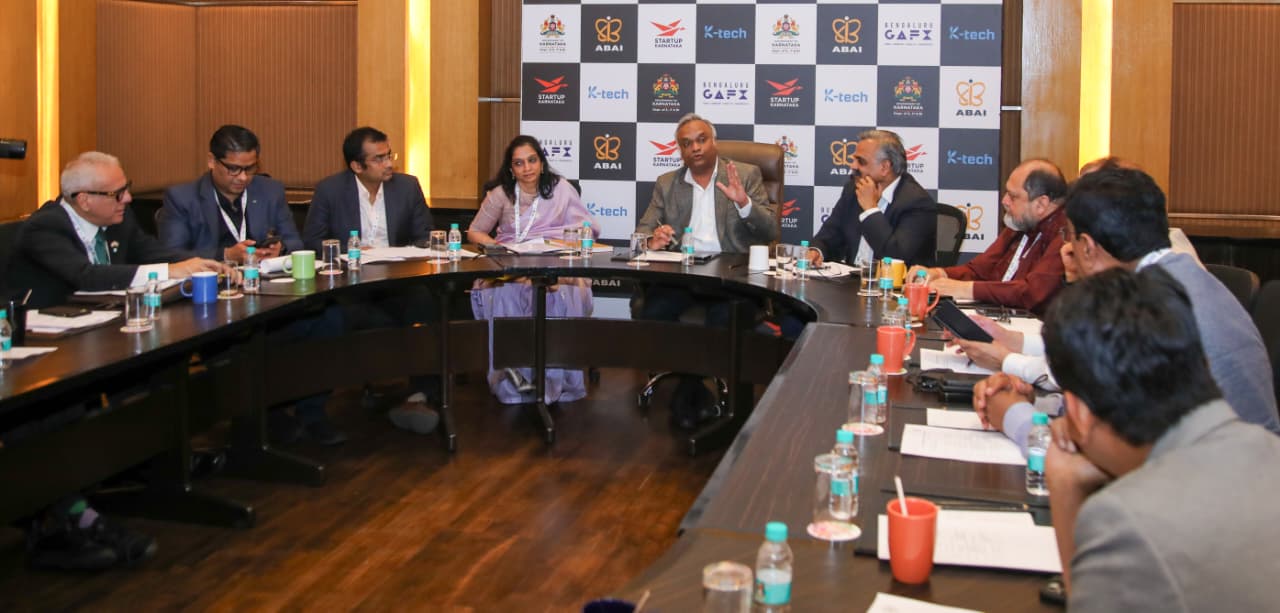
The bidding process was rigorous. Three technically qualified contenders were shortlisted after an extensive eligibility screening:
- Alpha Design Technologies Ltd., Bengaluru (leading a consortium with Agnikul Cosmos & Walchand Industries Ltd.)
- Bharat Dynamics Ltd., Hyderabad (leading a consortium with Skyroot Aerospace, Keltron & BHEL)
- Hindustan Aeronautics Ltd., Bengaluru (applying independently)
The evaluation spanned several months, covering both technical readiness and financial capability. HAL emerged as the highest bidder in the final round, securing the rights to operationalize SSLV technology.
“The three bidders demonstrated a high level of technical competency,” said Rajeev Jyoti, Director, Technical Directorate, IN-SPACe. “However, SSLV is multi-disciplinary in nature, and HAL will undergo rigorous training and handholding by ISRO teams to achieve the target of two SSLV launches within the next two years.”
From Technology Transfer to Launch Pad
The Technology Transfer Agreement will be signed among HAL, NewSpace India Limited (NSIL), ISRO, and IN-SPACe, detailing training, facility integration, and mission readiness. ISRO engineers will work alongside HAL teams at both ISRO and HAL facilities to ensure smooth technology absorption.
NSIL, ISRO’s commercial arm, will play a key role in enabling market access and ensuring SSLV serves both domestic and global small satellite customers.
“This collaboration is a significant step towards strengthening India’s small satellite launch capabilities,”said Shri Radhakrishnan Durairaj, CMD, NSIL. “The SSLV will be ideal for on-demand launches, catering to both Indian and international customers.”
HAL’s Strategic Leap into Space
For HAL, traditionally known for its aerospace and defence manufacturing, this marks a strategic leap into the commercial space launch market.
“In this milestone, India’s national ambition takes priority,” said Dr. D.K. Sunil, CMD, HAL. “We’re confident of steering a cohesive ecosystem that enables more small satellite launches from India’s ports, working closely under ISRO and IN-SPACe’s guidance.”
A Boost for India’s Commercial Space Ecosystem
The SSLV is designed for quick turnaround, cost-effective missions, and the ability to launch small satellites on demand — critical for applications ranging from Earth observation to telecom constellations. By enabling HAL to own and operate the technology, India is signalling its intent to privatize and scale satellite launch capabilities in line with global demand.
If executed successfully, this could position India as a competitive player in the fast-growing small satellite launch segment, dominated today by a handful of international players.
As Dr. Goenka noted, “The goal is to build a robust public-private partnership model that not only serves India’s needs but also attracts global customers. The SSLV technology transfer is just the beginning.”