At the Stadium’s Golden Jubilee, Dravid Reflects on Mentors, Memories and the Making of a Cricketer
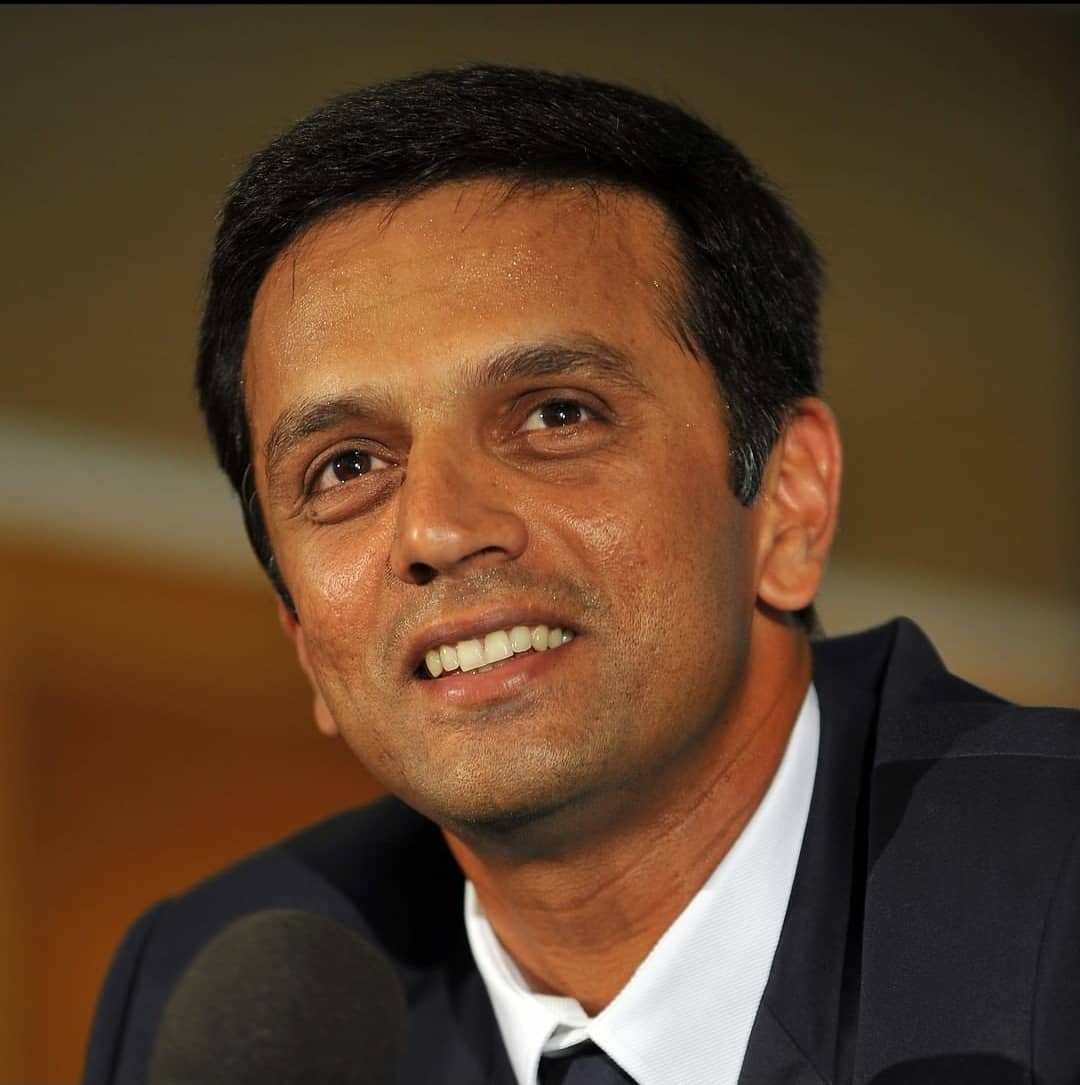
Bengaluru, NFAPost: For Rahul Dravid, the 50th anniversary celebrations of the M. Chinnaswamy Stadium were not merely ceremonial—they were deeply personal.
From a wide-eyed 12-year-old craning his neck over temporary stands to one of cricket’s most respected global figures, Dravid’s journey came full circle at the very ground that shaped his cricketing soul.
Yet the power of the moment lay not in statistics or accolades, but in memory.
Speaking after Anil Kumble, Dravid confessed it was daunting to follow a legend. But he quickly shifted the audience back to 1981—a time when he first walked into the stadium holding his father’s hand to watch India take on England.
“I was 12 or 13, eager to see my hero G.R. Viswanath bat. He lasted only a few runs against John Lever, but that day has stayed with me forever.”
The runs were fleeting. The memory was permanent.
A Second Home
If that day planted the seed, the Karnataka State Cricket Association (KSCA) summer camps nurtured it.
Under the watchful eyes of legendary coaches like Kekki Tarapore, and alongside peers such as Sujith Somsundar, Dravid’s cricketing character was forged.
“This stadium became a second home. We spent more time here than at home—learning, celebrating victories, enduring disappointments. Everything I am today comes from what this ground gave me.”
For Dravid, the Chinnaswamy was not just a venue; it was a classroom, a testing ground, and a sanctuary.
The Father Figure
At the heart of his journey stood his father—whose quiet encouragement and insistence on taking him to matches sustained a boy’s growing obsession.
“This honour is not mine alone. It belongs to everyone who supported me along the way. My father, watching from above, would be proud.”
The statement drew a standing ovation—less for the cricketing legend, more for the son.
Learning Among Giants
Dravid’s growth was sharpened not only by coaches but by competition. Facing bowlers like Kumble, Javagal Srinath, Venkatesh Prasad, Sunil Joshi, David Johnson, and Dodda Ganesh in domestic cricket hardened his resolve.
“If I didn’t make it in international cricket, it was nobody’s fault but my own,” he said—an admission that reflected both humility and the culture of excellence Karnataka cricket instilled.
He also paid tribute to mentors Thimmappaiah and Nagaraj, whose early guidance laid technical foundations that would later define “The Wall.”
The Unsung Architects
Beyond players and coaches, Dravid acknowledged administrators who built the scaffolding of Karnataka cricket—Dr. Thimmappaiah, Mr. Kasturi Rangan, Mr. Bhagwath Chandrashekhar, and Mr. Sudhakar Rao—names that seldom make headlines but form the backbone of institutional legacy.
He also praised the KSCA committee and the Karnataka government for restoring cricket at the stadium after the ban that followed a tragic stampede—an episode that once cast uncertainty over the ground’s future.
“There were fears that cricket might never return to this iconic ground. Thanks to Venky Prasad and the committee, the game is back in its rightful home.”
A Shared Honour
Dravid expressed particular pride in sharing the stage with Shanta Rangaswamy, a pioneer of women’s cricket in India.
“To stand here alongside someone who broke barriers is deeply special.”
The statement underscored a broader narrative—one where Karnataka cricket’s legacy extends beyond men’s cricket to inclusive sporting excellence.
More Than a Celebration
As the evening drew to a close, it was clear that this was not merely a stadium anniversary. It was a testament to mentorship, institutional continuity, and the quiet ecosystem that produces greatness.
Dravid’s speech was less about triumph and more about gratitude—towards coaches, groundsmen, umpires, scorers, office staff, teammates, administrators, and family.
What lingered was not nostalgia alone, but belonging.
The M. Chinnaswamy Stadium has witnessed centuries, collapses, comebacks, and history rewritten. But on its 50th anniversary, it witnessed something rarer—a legend returning home, not as a hero seeking applause, but as a student acknowledging his classroom.
In that moment, Bengaluru did not just celebrate a stadium.
It celebrated the making of Rahul Dravid.