England Takes Silver, Sri Lanka Bronze as Kolkata Hosts the World’s Largest Gathering of Student Chefs in a Celebration of Culinary Diplomacy and AI-Driven Heritage Preservation
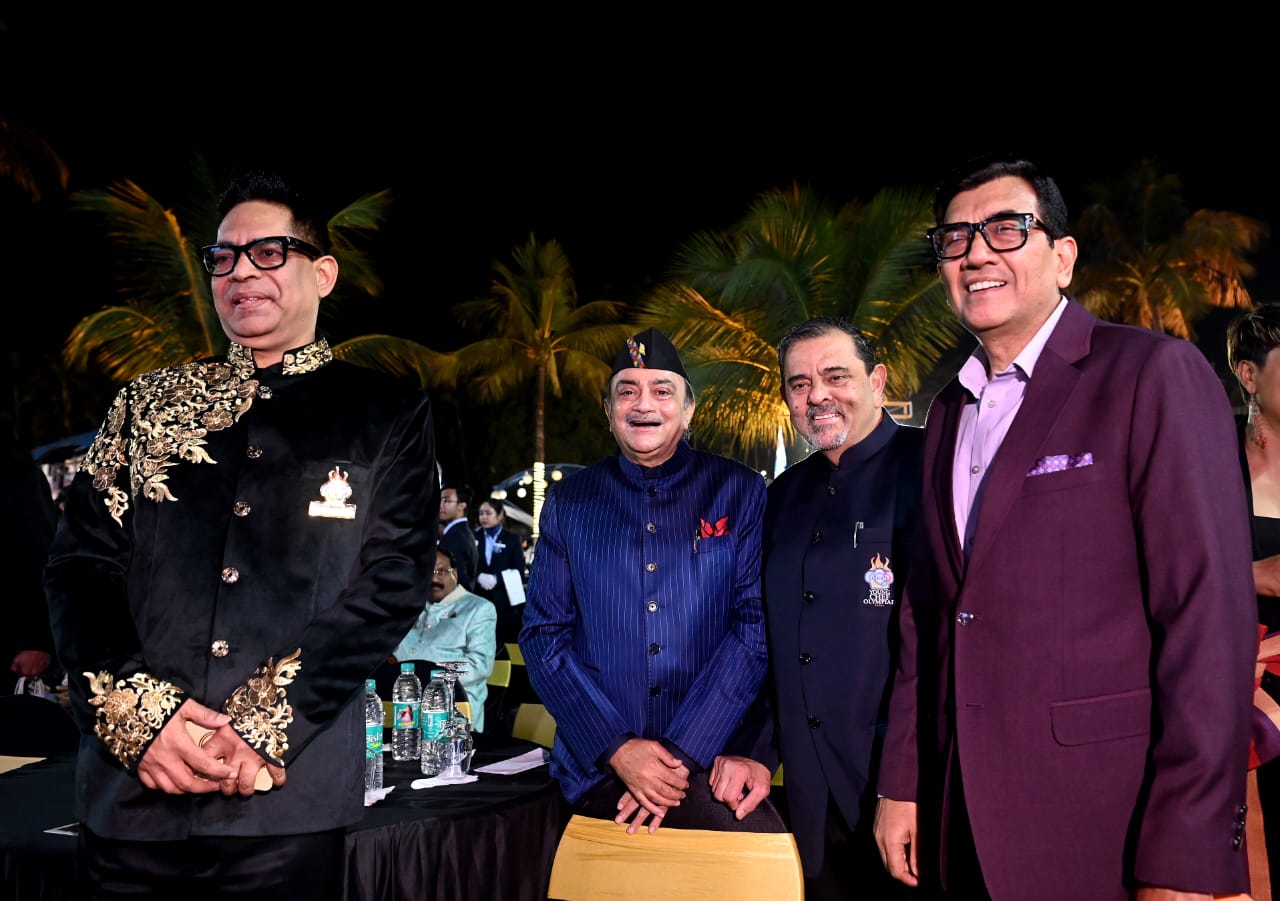
Bengaluru, NFAPost: Under the luminous night sky of Kolkata, the global culinary fraternity witnessed a defining moment in student gastronomy as Albania was crowned World Champion at the 12th edition of the International Young Chef Olympiad (YCO) 2026, organised by the International Institute of Hotel Management (IIHM).
In a competition widely regarded as the largest and most collaborative culinary platform for student chefs in the world, Enri Cuedari of Instituti Kulinari Neranxi lifted the golden trophy and donned the coveted golden toque—securing Albania’s place at the pinnacle of global culinary excellence.
In a poignant coincidence not lost on the audience, Albania—the birthplace of Mother Teresa, one of Kolkata’s most revered figures—stood triumphant in the very city she once called home.
A Competition of Champions
England, winner of YCO 2025, claimed the silver medal this year. Dominic Thomas Grundy of Westminster Capital City College delivered a performance marked by technical precision and creative refinement to secure second place.
Sri Lanka emerged as the second runner-up, with Vidanagamage Rumira Reshan Piyasiri of Colombo Academy of Hospitality Management earning bronze. The podium reflected not just competitive excellence, but a remarkable spectrum of global culinary traditions and innovation.
France’s Maelyss Helene Parrot received the prestigious Plate Trophy, reinforcing her country’s enduring stature as one of the world’s most influential culinary nations.
Meanwhile, the Dr Suborno Bose Challenge Trophy—an emotionally resonant contest that pairs chefs from two different nations to co-create a dish symbolising unity—was won by Ozodbek Odilov of Uzbekistan and Melquirudi Leki-Bere da Cunha of Timor Leste. Their collaborative creation underscored the Olympiad’s central belief: food speaks a universal language beyond borders.
Kolkata: A Global Culinary Capital
The final competitive rounds unfolded at IIHM’s Global Campus in Kolkata, culminating in a grand awards ceremony at Wet-O-Wild, Nicco Park complex. Music, celebration, and cultural exchange marked the close of what has evolved into far more than a competition—it is now a global culinary movement.
The Top 10 finalists represented an extraordinary cross-section of global talent:
- Jomar T. Bernardo (Philippines)
- Vidanagamage Rumira Reshan Piyasiri (Sri Lanka)
- Aavie Ng Shi Chuan (Malaysia)
- Kotamsetti Satya Teja (India)
- Rohan Chettri (Nepal)
- Dominic Thomas Grundy (England)
- Georgios Aionnis (Sweden)
- Emma Gisele Biro (Canada)
- Enri Cuedari (Albania)
- Ananya Madaan (Switzerland)
India’s Kotamsetti Satya Teja reaching the Top 10 reaffirmed the host nation’s rising stature in global culinary education.
Culinary Diplomacy in Action
At the heart of YCO 2026 was a theme both timely and transformative: “Preserving the World’s Global Culinary Heritage through AI.”
The message resonated deeply across kitchens and conversations, as artificial intelligence was framed not as a replacement for craftsmanship, but as a guardian of culinary memory—documenting, archiving, and protecting traditions for future generations.
Dr. Suborno Bose, Founder-Chairman of IIHM and Chief Mentor of YCO, articulated the Olympiad’s vision during the event:
“You have travelled from across continents, cultures, climates, and cuisines—but you stand together on one stage, united by a single language: food.”
He described the Olympiad as “culinary diplomacy in action,” adding:
“At its heart, the Young Chef Olympiad is a place where borders dissolve, politics disappear, and food builds bridges.”
Reflecting on this year’s expanded intellectual framework, Dr. Bose noted:
“For the first time, we consciously positioned participating countries as a living laboratory of global culinary heritage—not something you watch or download, but something alive, experienced through people, kitchens, mistakes, learning, and friendships.”
Professor David Foskett, MBE, Chairman of the Grand Jury, echoed that sentiment. He emphasised that hospitality education must transcend trophies and technical mastery. Initiatives such as the United World of Young Chefs, the Global Knowledge Sharing Declaration, and the exchange of Culinary Heritage Dossiers ensured that collaboration stood shoulder to shoulder with competition.
Beyond Competition
Over its multi-city journey culminating in Kolkata, YCO 2026 evolved into a global knowledge ecosystem where sustainability, ethics, technology, and creativity converged with purpose.
AI was integrated thoughtfully—not to automate artistry, but to archive it. The Olympiad demonstrated how digital tools can help preserve endangered recipes, document indigenous techniques, and build a structured repository of culinary heritage across nations.
As the medals were awarded and celebrations unfolded, what lingered was not merely victory, but a shared conviction that the future of gastronomy rests on three pillars: skill, values, and human connection—augmented by responsible technology.
Kolkata, long celebrated as a city of culture and intellect, once again reaffirmed its role as a global hospitality capital—hosting the world not simply as a venue, but as a custodian of heritage and dialogue.
The Olympiad ended.
But for the young chefs who stood beneath that night sky—golden toques gleaming—the journey had unmistakably just begun.