At BIFFes 2026, filmmakers and scholars trace how Andrzej Wajda defied censorship, shaped Polish national consciousness, and laid the foundation for generations of socially engaged cinema
Bengaluru, NFAPost: Cinema can entertain, provoke and inspire—but in the hands of masters like Andrzej Wajda, it can also become an act of resistance. This powerful idea anchored a compelling panel discussion titled “Polish Cinema and the Legacy of Andrzej Wajda”, held as part of the 17th Bengaluru International Film Festival (BIFFes).
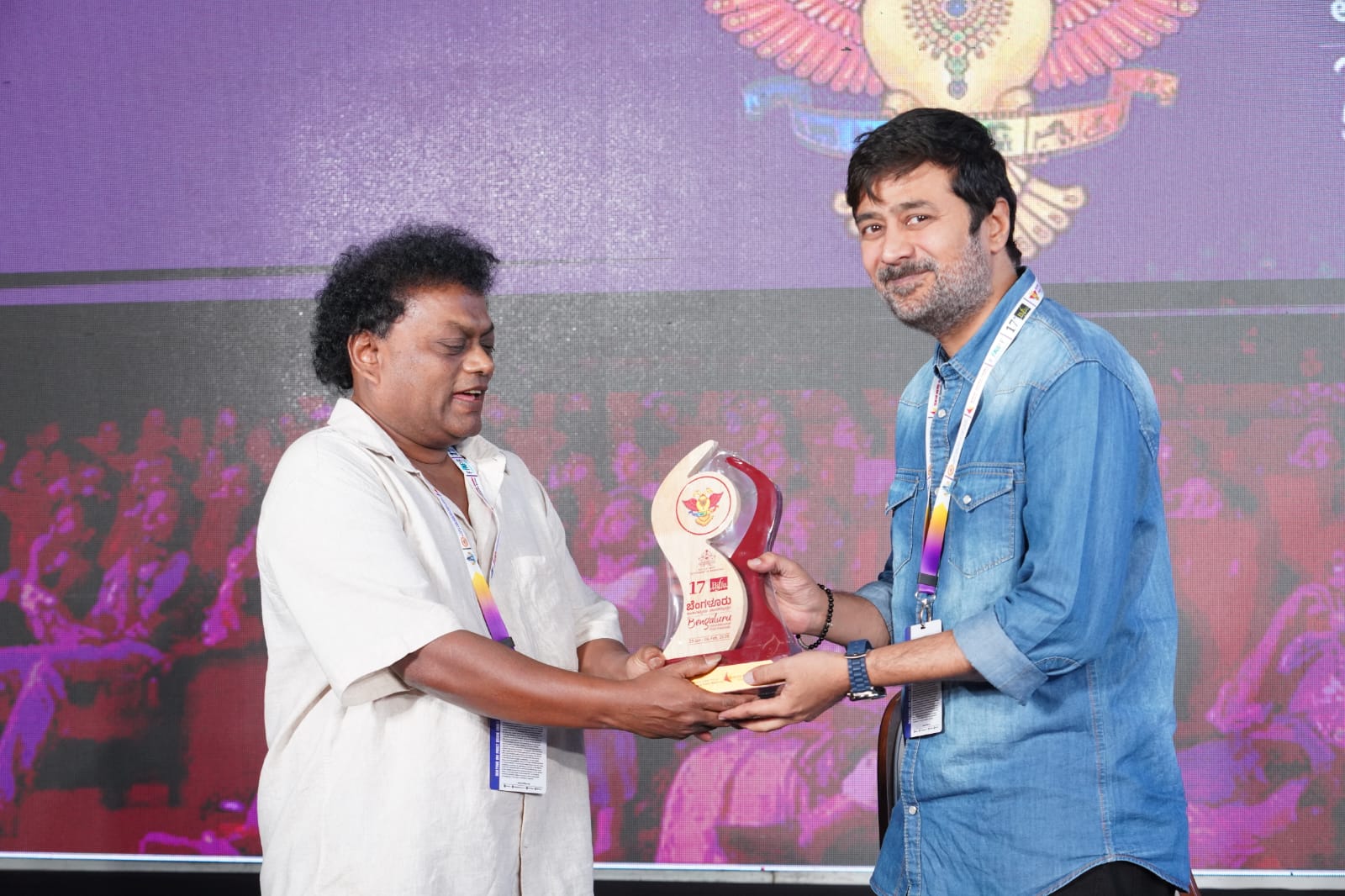
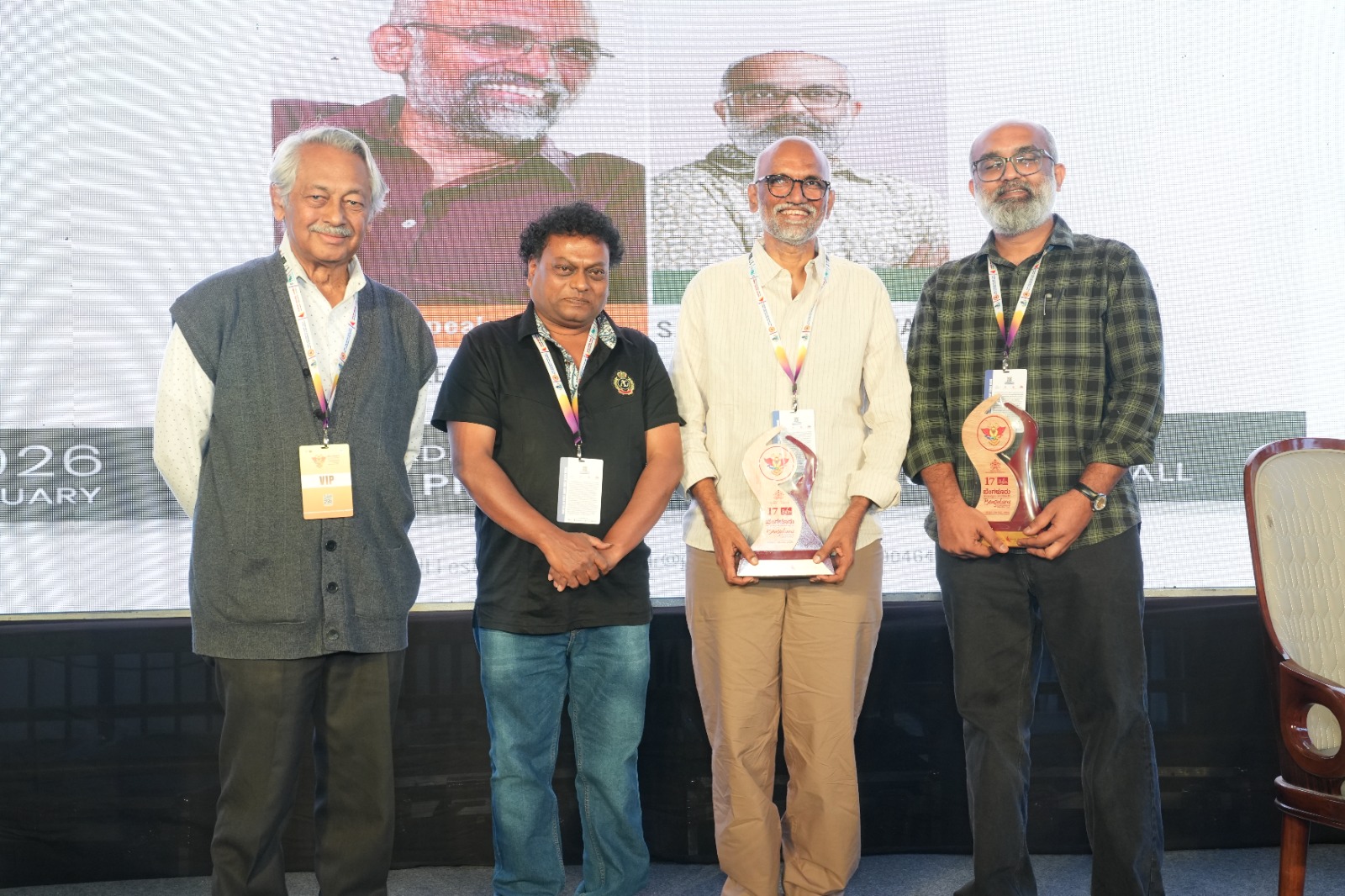
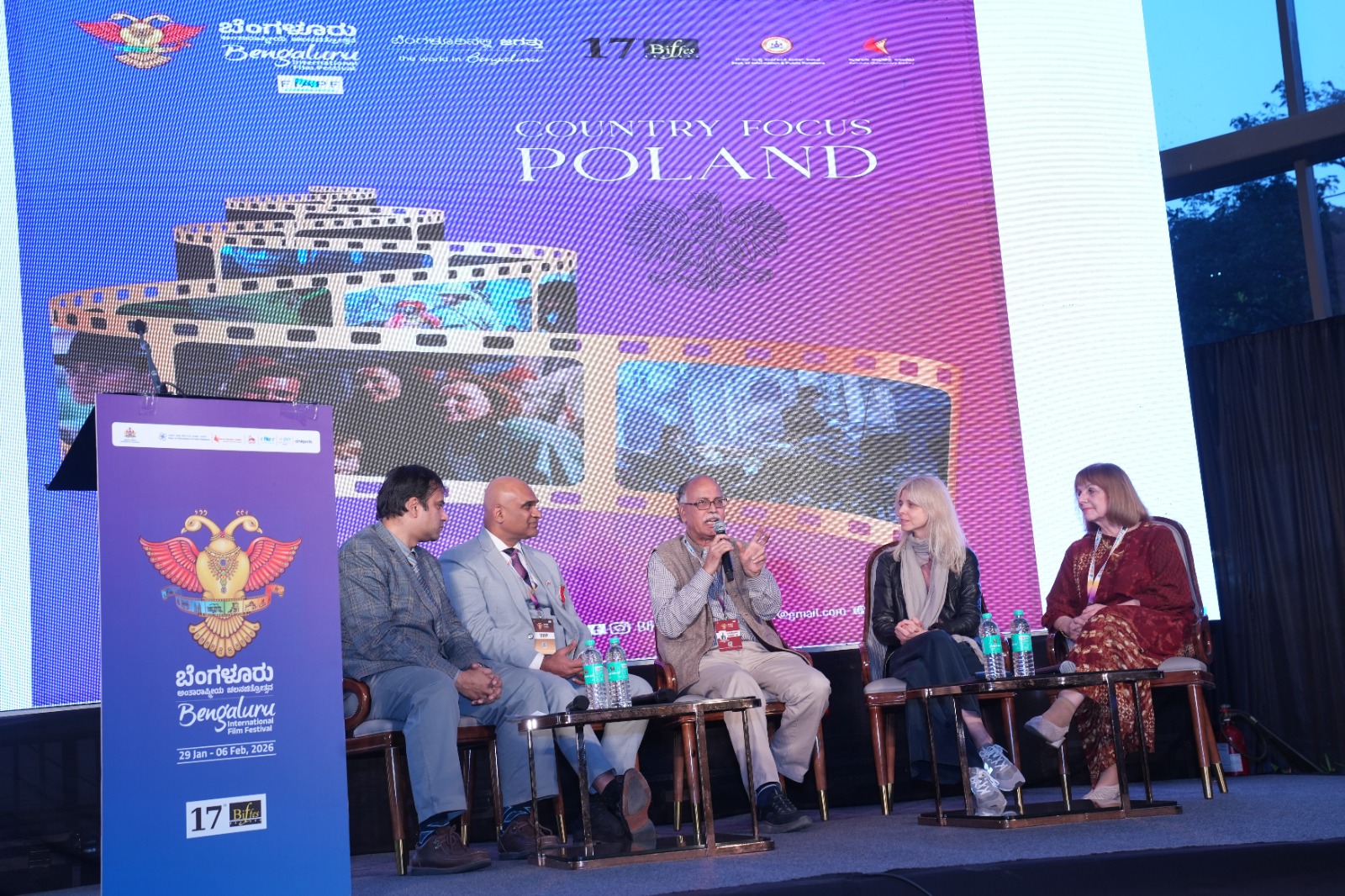
Bringing together film scholars, cultural diplomats and festival curators, the session explored how Wajda’s cinema chronicled Poland’s turbulent political history while subtly challenging authoritarian control. The discussion featured Joanna Lapinska, Artistic Director of the Gdynia Film Festival; film scholar N Vidyashankar; Malgorzata Wejsis-Golebiak, Director of the Polish Institute in New Delhi; and Channarayapatna Rajappa Raghu, Honorary Consul of Poland in Bengaluru. The session was moderated by film composer and curator Murtuza Ali Khan.
Cinema Under Censorship, Resistance Through Images
Speaking at the session, Joanna Lapinska described Wajda as a filmmaker who understood when to speak—and how to fight—within the constraints of rigid censorship.
“Andrzej Wajda was a great filmmaker. Whenever necessary, he spoke out and fought. But he fought very cleverly,” she said. “He was working against strict censorship, so he found new ways to express what could not be said openly. He was not just a filmmaker, but also a fighter.”
Lapinska explained that Wajda opened an entirely new chapter in Polish cinema by initiating what came to be known as the Polish Film School—a movement that rejected the state-imposed doctrine of Socialist Realism in post-war Poland.
“Films such as Kanal and Ashes and Diamonds marked the beginning of this movement,” she noted. “While the government wanted cinema to conform to ideology, Wajda wanted to speak from the depths of the human heart.”
The Pain of a Lost Generation
Wajda’s cinema, the panel noted, was deeply rooted in lived experience. Having come of age during the Second World War, he portrayed what Lapinska described as the anguish of the ‘Lost Generation’.
“That generation had won the war on one hand, but on the other had lost their own country,” she said. “This bitterness and pain run through Wajda’s films.”
She cited Man of Marble as one of his most significant works, noting that the film’s release coincided with a surge in public consciousness and dissent in Poland.
A Cultural Voice of Civil Resistance
Offering a broader historical perspective, N. Vidyashankar characterised Wajda as far more than a director.
“Wajda was not merely a filmmaker; he became the cultural voice of Poland,” he said. “Through visual grandeur, he embedded the language of protest into cinema itself.”
He explained that Wajda’s mastery lay in communicating resistance through imagery rather than dialogue—an approach that proved crucial during the 1980s Solidarity movement, when cinema emerged as a parallel archive of truth amid political repression.
From Wajda to Contemporary Polish Cinema
The discussion also connected Wajda’s legacy to contemporary Polish filmmakers. Lapinska noted that directors such as Pawel Pawlikowski continue to build upon the artistic and moral foundations laid by Wajda, particularly in their commitment to socially conscious and anti-violence cinema.
She also highlighted Wajda’s lesser-known political role, reminding the audience that he served as a senator in Poland during the 1990s.
“His desire to fight for the nation and for freedom stayed with him till the very end,” she said. “Sometimes he described himself as an ‘excessive idealist’. That idealism was perhaps the most gentle and touching aspect of his personality.”
Cinema as Cultural Diplomacy
Reflecting on the significance of presenting Wajda’s films in India, Malgorzata Wejsis-Golebiak underscored cinema’s role as a bridge between cultures.
“Culture is the most powerful medium of communication,” she said. “It allows us to collaborate beyond borders and share emotions.”
The retrospective screenings in Bengaluru, she added, were not merely about revisiting film history, but about fostering dialogue between societies shaped by different histories yet connected by universal human experiences.
A Legacy That Endures
As the session concluded, a clear consensus emerged: Andrzej Wajda’s films are not relics of the past, but living texts—continuing to speak to audiences navigating questions of power, freedom and identity.
At BIFFes 2026, Wajda’s cinema stood as a reminder that when politics seeks to silence voices, art often finds a way to speak louder—and that the true measure of a filmmaker lies not just in craft, but in courage.