With diabetes, pre-diabetes and metabolic syndrome rising at alarming rates, clinicians and policymakers call for nutrition to move from the margins to the mainstream of healthcare
Bengaluru, NFAPost: As India grapples with a sharp rise in obesity, pre-diabetes and metabolic disorders, medical professionals across the country are increasingly advocating a decisive shift in healthcare—from reactive symptom management to proactive, prevention-led care rooted in evidence-based nutrition. Recent data indicating diabetes prevalence at 11.4 per cent, pre-diabetes at 15.3 per cent, and metabolic syndrome affecting nearly one in three adults has intensified the urgency of this transition.
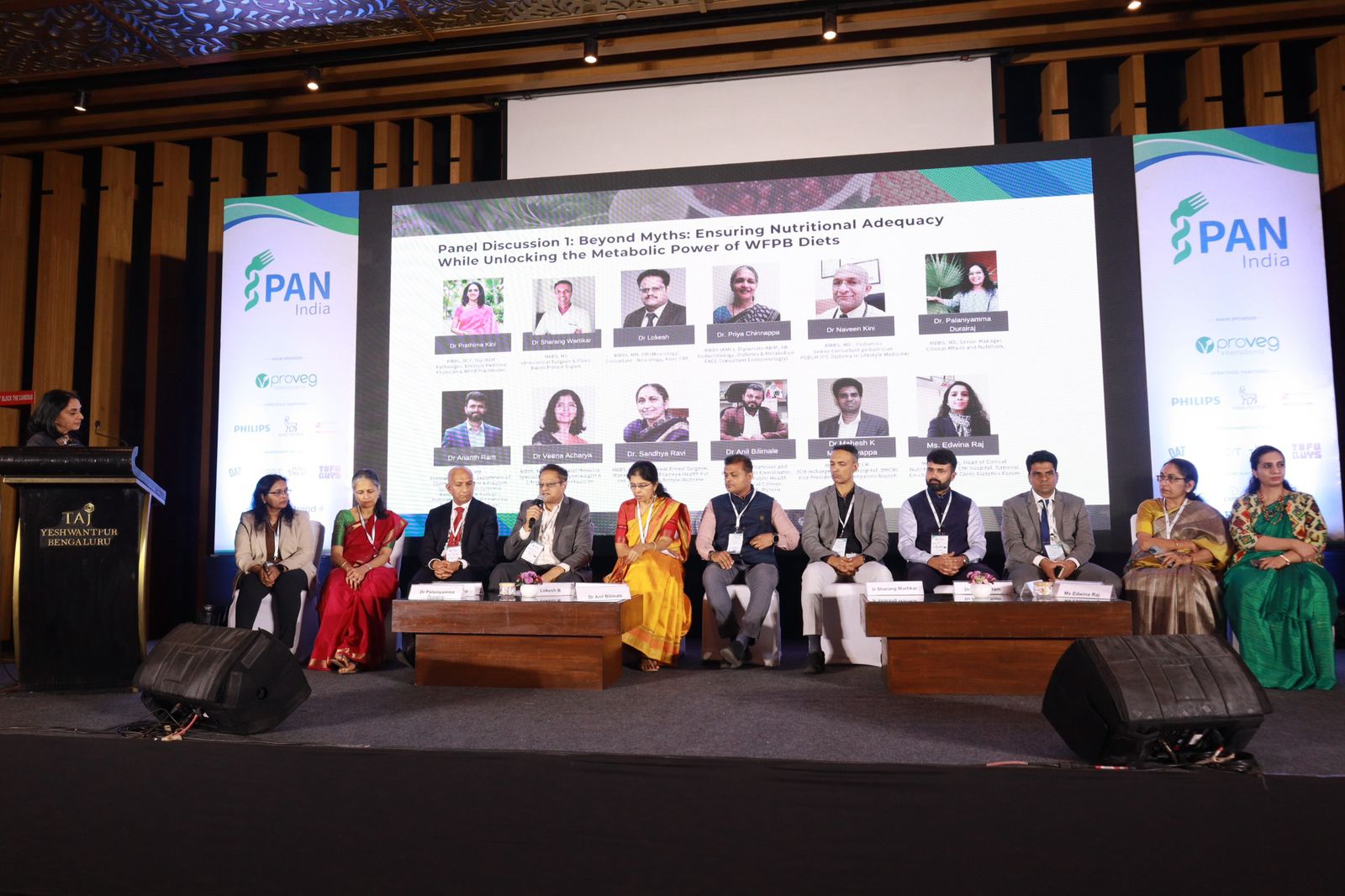
This evolving clinical mindset was prominently on display at the 50th Signature Continuing Medical Education (CME) programme organised by the Physicians Association for Nutrition (PAN) India in Bengaluru. The landmark event brought together over 600 doctors, specialists and public health experts from across the country to deliberate on the role of nutrition in addressing obesity, insulin resistance, cardio-metabolic risk, healthy ageing and longevity.
Nutrition as the Foundation of Prevention, Not an Add-On
Medical leaders at the event underscored that nutrition can no longer be treated as a supplementary component of care. Instead, it must form the foundation of disease prevention and recovery strategies.
“Nutrition is not an adjunct to treatment; it is foundational to prevention and recovery,” said Dr. Rajeena Shahin, Medical Director of PAN India. “When clinicians are equipped with evidence-based nutrition knowledge, we move from disease management to true health restoration. Embedding this evidence into healthcare systems and medical education is essential for sustained population-level impact,” she said.
This perspective reflects a growing recognition within the medical community that lifestyle-related conditions—particularly metabolic disorders—cannot be effectively addressed through pharmacological interventions alone. Instead, clinicians are seeking structured, science-backed dietary frameworks that can be integrated into routine clinical practice.
Growing Clinical Momentum Across Cities and Institutions
The momentum is particularly visible at the city and institutional level. According to Dr. Prathima Kini, Chair of PAN India’s Bengaluru City Chapter, there is a clear and deliberate shift among clinicians toward embedding nutrition as a core clinical tool.
“There is a clear shift among clinicians who want to meaningfully integrate nutrition into their practice—not as an add-on, but as a core part of patient care,” Dr. Kini noted.
Medical education institutions are also responding to this shift. Dr. Mahesh, City Chapter Director, highlighted the growing enthusiasm among medical colleges and professional bodies to formally incorporate nutrition science into curricula and continuing education programmes.
“What is particularly encouraging is the interest from medical colleges and professional bodies to integrate evidence-based nutrition into training and education. This is where long-term, systemic change begins,” he said.
Expert Insights on Diabetes, Metabolic Health and Longevity
The CME featured an eminent panel of national experts, including Dr Anoop Misra, Chairman of the Fortis C-DOC Centre of Excellence for Diabetes, Metabolic Diseases and Endocrinology, and one of India’s foremost authorities on diabetes and metabolic health. Discussions focused on how targeted dietary interventions can reduce insulin resistance, lower cardio-metabolic risk and improve long-term outcomes in patients with chronic lifestyle diseases.
Experts emphasised that early nutritional intervention—especially at the pre-diabetes and metabolic syndrome stages—can significantly delay or even prevent progression to full-blown disease, reducing both personal and systemic healthcare burdens.
Policy Support and Public Health Alignment
The event also saw strong engagement from government and policy stakeholders. Senior officials, including Harsh Gupta, Principal Secretary, Department of Health and Family Welfare, Government of Karnataka, and Sowmya Reddy, Member of the Karnataka Legislative Assembly (Jayanagar constituency), attended the programme and reinforced the need to align public health policy with evidence-based nutritional strategies.
Both leaders stressed that integrating nutrition into public healthcare delivery and preventive health programmes will be critical to combating the growing burden of lifestyle-related diseases, particularly among urban and semi-urban populations.
A Turning Point for Indian Healthcare
The 50th Signature CME marks a significant milestone for PAN India, symbolising not just organisational growth but a broader shift in India’s healthcare narrative. Supported by partners including Proveg International, Philips, Novo Nordisk, Sparsh Hospital, Oatey, PROT, Hello Tempayy and Tofu Guys, the event highlighted the expanding ecosystem backing nutrition-led healthcare models.
As India’s disease profile continues to evolve, clinicians believe that embedding evidence-based nutrition into mainstream medical practice—supported by education, policy and system-level reforms—may prove pivotal in reversing current trends.
What is emerging is a clear consensus: the future of healthcare lies not only in treating disease, but in preventing it—starting with what people eat, how early interventions are made, and how deeply nutrition science is woven into clinical decision-making.