At CREDAI SOUTHCON 2026 in Bengaluru, G. Ram Reddy draws on ancient philosophy to underline leadership, execution, and balance in modern real estate development
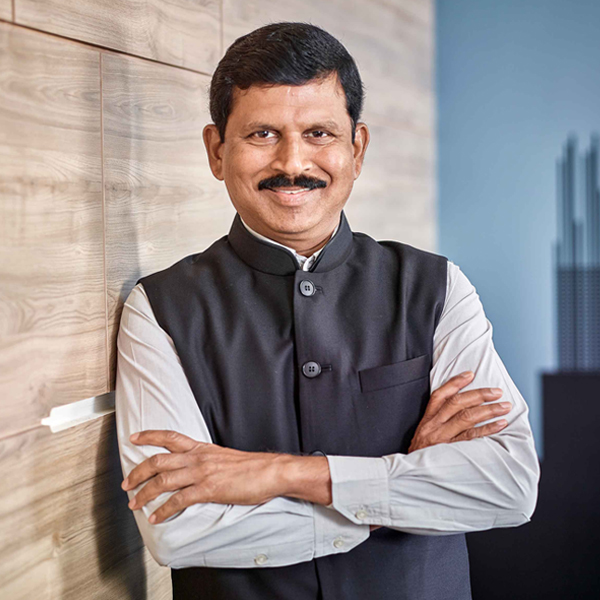
Bengaluru, NFAPost: In an industry often dominated by balance sheets, project timelines, and regulatory debates, a refreshingly philosophical perspective took centre stage at CREDAI SOUTHCON 2026. Addressing developers from across South India, G. Ram Reddy, President-elect of CREDAI, turned to the Bhagavad Gita to explain the deeper principles behind success and failure in the real estate business.
Speaking on the opening day of the two-day South Con 2026 conclave, organised by CREDAI Karnataka in association with k-nest Construction Tech, Reddy argued that prosperity in real estate is never accidental. Instead, it is the outcome of right decisions, disciplined leadership, and sustained effort—values that, he said, are articulated with striking clarity in India’s ancient scriptures.
Ancient Text, Modern Business Logic
Quoting a verse from Chapter 18 of the Bhagavad Gita, Reddy outlined what he described as a timeless framework for evaluating any project. The verse identifies five determinants of success—the place, the doer, the instruments, effort, and destiny.
Translating philosophy into business language, Reddy explained:
“In real estate terms, location is fundamental. Then comes who is executing the project—the leadership and decision-making capability. Third is the availability of resources, whether it is finance, manpower, or professional expertise.”
The fourth factor, effort, he stressed, is often underestimated.
“Even if you have the best land and sufficient capital, without consistent execution, projects simply do not succeed,” he said.
The fifth factor—destiny—he acknowledged, remains beyond human control. Yet, he cautioned developers against using fate as a convenient explanation for poor outcomes.
“Destiny plays a role, but it is the only factor we cannot influence. Our responsibility is to strengthen the other four.”
Leadership Rooted in Reflection
Reddy’s address was not merely theoretical. Drawing from his own three-decade-long career, he spoke candidly about a rare professional setback that prompted deep introspection.
That failure, he said, led him to consciously apply the principles outlined in the Gita—focusing less on external circumstances and more on controllable variables such as planning, discipline, and execution.
His remarks resonated strongly with an audience that understands the high-stakes nature of real estate, where decisions often involve long gestation periods and irreversible commitments.
Balance as a Business Imperative
Beyond project execution, Reddy turned to another verse from the Gita to highlight the importance of balance in daily life. He spoke about regulated food habits, adequate rest, disciplined work routines, recreation, and self-reflection as essential elements for sustained professional performance.
“In the pursuit of growth, many professionals neglect their health and well-being,” he observed. “Over time, that affects judgment, productivity, and the ability to take sound decisions.”
In an industry grappling with tighter delivery timelines, rising customer expectations, and increasing compliance pressures, Reddy argued that personal discipline and mental clarity are no longer optional—they are strategic necessities.
Philosophy in a Time of Change
Reddy noted that the real estate sector is currently navigating a period of transition, shaped by evolving consumer preferences, greater scrutiny on delivery commitments, and the growing influence of technology. In such an environment, he said, philosophical clarity offers stability.
He added that insights drawn from within the developer community carry greater weight than generic motivational discourse.
“When learning comes from peers who face the same regulatory, financial, and execution challenges, it becomes immediately relevant and actionable,” he said.
Strengthening the Industry’s Foundations
Congratulating CREDAI Karnataka for organising the conclave, Reddy praised the platform for encouraging reflection alongside commercial discussion. He thanked delegates from five southern states for their participation and expressed confidence that the deliberations would yield meaningful takeaways for developers.
“Forums like this don’t just address business opportunities; they help strengthen the industry’s long-term foundations,” he said.
A Broader Message for Real Estate
Reddy’s keynote stood out at CREDAI SOUTHCON 2026 precisely because it bridged the ancient and the contemporary. By linking the Bhagavad Gita to real estate strategy, he offered a reminder that while markets fluctuate and regulations evolve, the fundamentals of leadership, effort, and balance remain constant.
For developers listening in Bengaluru, the message was clear: success in real estate is not a matter of luck, but of conscious action—guided by discipline, clarity of purpose, and an understanding that true control lies in preparation and perseverance, not destiny alone.