With a state-of-the-art sports complex inaugurated by former cricketer Venkatesh Prasad, SAP reinforces its belief that healthier workplaces fuel stronger innovation.
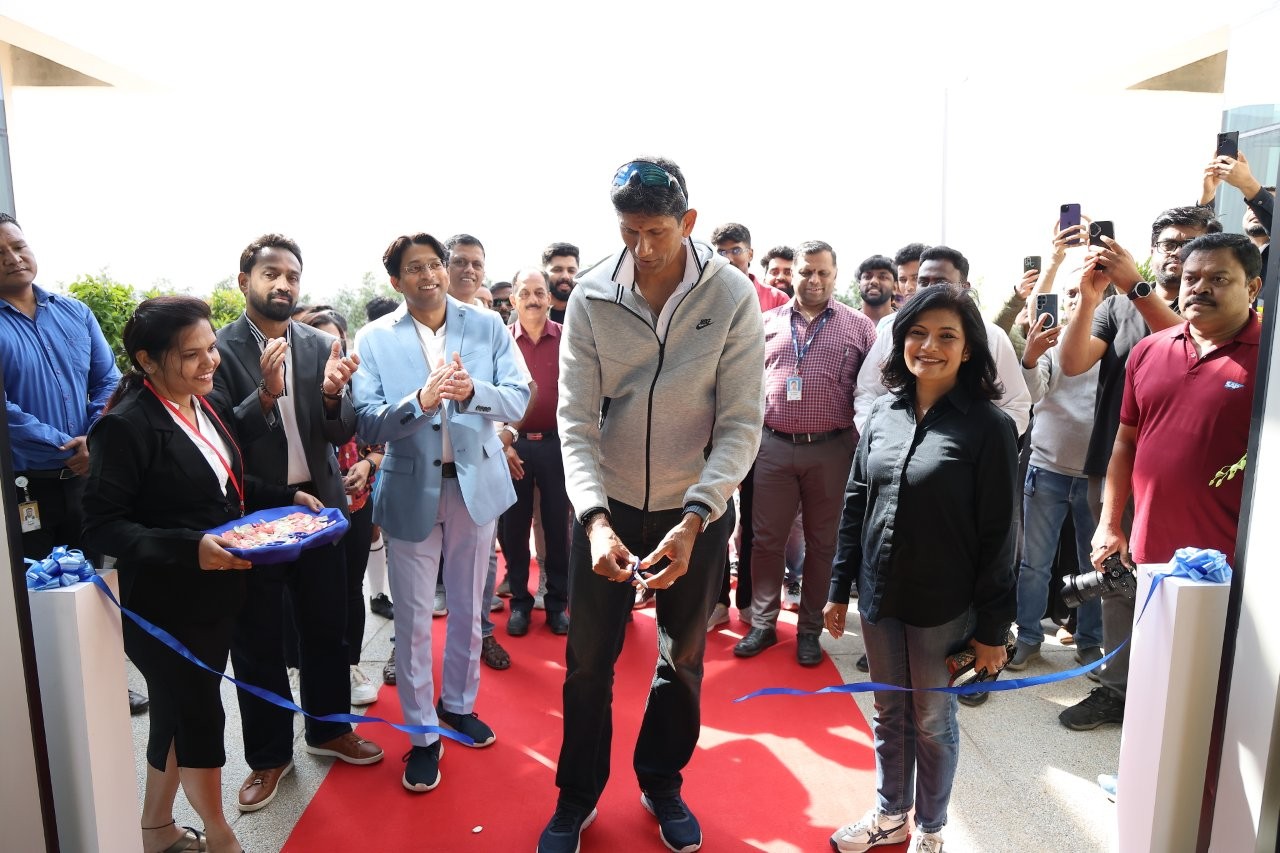
Bengaluru, NFAPost: At a time when technology companies are rethinking the role of physical workplaces in a hybrid world, SAP Labs India has made a decisive statement: the office is not just a place to work, but a space to recharge, connect, and thrive. On Thursday, the company unveiled a new sports and recreation facility at its SAP Labs India Innovation Park in Bengaluru, underscoring its continued focus on employee well-being and community-building.
The facility was inaugurated by former Indian cricketer Venkatesh Prasad, alongside Sindhu Gangadharan, Managing Director, SAP Labs India, in the presence of employees from across the region. Designed as a comprehensive, multi-zone sports block, the new facility spans a net built-up area of 2,189 square metres (approximately 23,563 square feet) and is among the most expansive wellness-focused additions to SAP’s Indian campuses.
Designing Workplaces Around People
The sports block has been conceptualised as a flexible environment that caters to diverse fitness levels, sporting interests, and recreational preferences. The indoor complex houses two dedicated badminton courts and a multipurpose court that supports both badminton and pickleball. It also includes a squash court, a golf simulator, and indoor recreation options such as table tennis, foosball, chess, and billiards.
Complementing the sports infrastructure are practical amenities such as hydration stations, shower-equipped restrooms, and secure lockers, allowing employees to integrate fitness seamlessly into their workday.
Speaking at the inauguration, Sindhu Gangadharan highlighted the company’s people-first philosophy.
“At SAP Labs India, we design our campuses with people at the center,” she said. “Health, movement, and overall well-being shape how we think about work and community. This new facility reflects our focus on supporting our people with spaces that encourage fitness, recreation, and community engagement. When people feel supported and energized, they are able to innovate and perform at their best.”
Encouraging Movement, Play, and Community
Beyond indoor recreation, the facility extends outdoors with a futsal court and a bouldering gym for wall climbing, offering employees opportunities for both team sports and individual physical challenges. SAP also plans to add a multipurpose outdoor court for volleyball and basketball in the coming months, further expanding the campus’s sporting ecosystem.
While most zones are already operational, some areas will be activated in phases as part of the broader campus development roadmap. Together, these additions reflect SAP’s intent to make physical activity and social interaction an integral part of everyday work life, rather than a peripheral benefit.
The presence of Venkatesh Prasad at the inauguration added symbolic weight to the initiative, reinforcing the values of discipline, teamwork, and resilience—qualities that resonate strongly in both sports and technology-driven organisations.
Well-Being as a Strategic Imperative
The new sports facility aligns with SAP’s broader approach to workplace design, which increasingly integrates well-being, collaboration, and sustainability into campus planning. By creating accessible spaces for movement and recreation, SAP Labs India aims to foster healthier routines, reduce stress, and strengthen interpersonal connections among employees.
In an industry often associated with long hours and screen-heavy work, SAP’s Bengaluru campus is positioning itself as a counterpoint—one where physical health and mental well-being are seen as enablers of creativity and long-term performance.
As enterprises globally grapple with talent retention and employee engagement, SAP Labs India’s latest addition serves as a reminder that investing in people-centric infrastructure is not just a cultural choice, but a strategic one—one that helps the organisation, quite literally, stay fit for the future.